Concrete Cutting Stafford: What Shapes the Work
A built-up, mixed suburb
The 2021 Census counted 6,978 Stafford residents with a median age of 35. Separate houses make up 66.6% of dwellings and flats 24.2%, and 48.6% of homes are rented. Hospitals are the top industry of employment at 6.9%. The suburb sits about 9.1 km from the CBD, in a Kedron Brook middle catchment that Brisbane City Council describes as mostly built up with commercial, industrial and residential development.
Tight access and a flood-prone brook
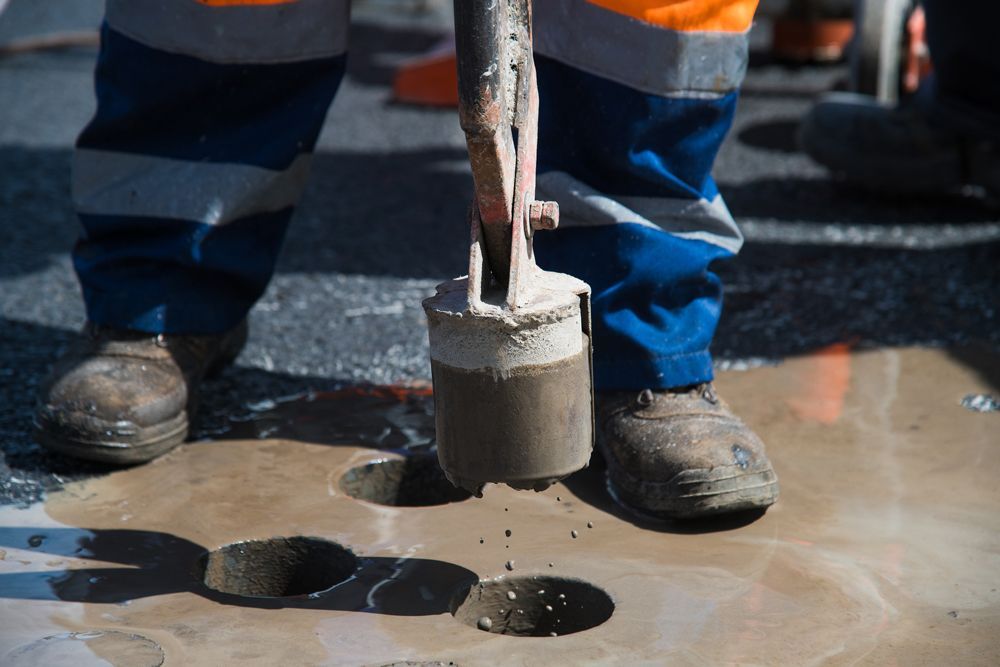
Built up means tight access. Saws and drills cutting core holes often work inside a shop, a factory unit or a ground-floor flat with people nearby. Kedron Brook also runs through the area, and the 2022 flood destroyed a large section of its bike track. Stormwater drains here lead straight into a catchment that has already taken a beating.
Why dust and run-off matter here
Queensland lists cement and concrete as prescribed water contaminants in the Environmental Protection Regulation 2019, and council officers can hand out on-the-spot fines when concrete reaches the stormwater system. Indoors the concern shifts to silica dust. WorkSafe Queensland's code of practice sets an exposure standard of 0.05 mg/m3 over eight hours and names water suppression and on-tool dust extraction as controls.
How we work in Stafford
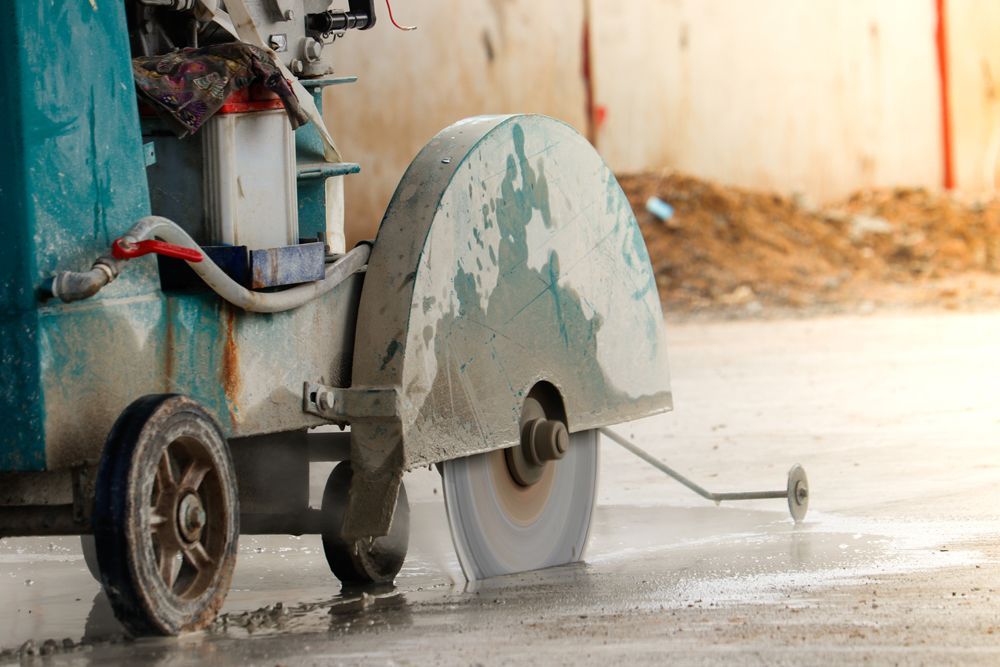
For concrete cutting in Stafford we agree working hours with the manager or body corporate first. We then confirm what is in the slab, wet the blade during floor sawing so dust stays down in occupied buildings, and keep the water away from floor drains. Renovation cuts in older houses get the same planning, scaled to a single household.
Sources: ABS 2021 Census QuickStats: Stafford, Kedron Brook middle catchment (Brisbane City Council), Kedron Brook (Wikipedia), Procedural guide: water release from small sites (Queensland Government), Reporting stormwater runoff and pollution (Brisbane City Council), Respirable crystalline silica Code of Practice 2022 (WorkSafe Queensland)